How a Medical Alarm No Monthly Fee Model Supports Seniors Better
Understanding the True Cost of Medical Alarms
For many seniors in New Zealand, the decision to get a personal alarm often comes down to one thing: ongoing costs. The traditional model locks users into a monthly subscription, which can feel like a never-ending bill once the initial urgency wears off. That is why the concept of a medical alarm no monthly fee structure has gained real traction. It shifts the financial burden from a recurring charge to a one-off purchase, giving families a clearer picture of what they are paying for and why.
I have spoken with dozens of families who hesitated to set up a medical alarm for an elderly parent because they worried about adding another regular expense to their budget. The monthly fee seemed small at first, but over a year it added up to a significant amount. When they discovered that a medical alarm no monthly fee option existed, it changed their entire perspective. They were no longer committing to an open-ended contract; they were buying a device that would work for years without further charges.
What No Monthly Fee Actually Means for Daily Use
The appeal of a no-monthly-fee model is not just about saving money. It is about simplicity. When you buy a pendant alarm or a wrist alarm for a loved one, you want it to work without worrying whether the credit card on file is still valid. You want the peace of mind that comes from knowing the device will function exactly the same way ten months from now as it did on day one.
A personal alarm that operates without a monthly fee typically runs on a cellular network rather than a landline. This landline-free approach is important because many seniors have moved away from home phones or live in places where a landline is impractical. The device uses a cellular connection to send emergency alerts to family members or a monitoring centre, and because there is no monthly subscription, the ongoing cost is zero. The family pays only for the hardware and the initial setup.
The Role of Family Monitoring
One of the most valuable features in a modern medical alarm is family monitoring. Instead of sending every alert to a remote call centre, the system can notify designated family members directly. This means that when a senior presses the button on their pendant alarm, a text message or phone call goes straight to their adult children or a neighbour. The response is immediate and personal.
I have seen this work well for a woman in Hamilton whose mother lives alone. The mother wears a waterproof alarm around her neck, even in the shower, because the device is fully waterproof. One morning she slipped on the wet floor. The fall detection feature automatically triggered an emergency alert, and within minutes her daughter received the notification. Because there was no monthly fee, the daughter never had to think about whether the service was still active. It just worked.

Fall Detection and GPS Tracking: Practical Benefits
Fall detection is one of those features that sounds like a luxury until you need it. Many seniors who live independently have a genuine fear of falling and not being able to get help. A medical alarm with automatic fall detection removes that worry. The device senses the impact and sudden motion of a fall and sends an alert even if the person cannot press the button.
GPS tracking adds another layer of security for seniors who are still active and mobile. If an older adult enjoys walking in the neighbourhood or visiting the local shops, a wrist alarm with GPS can help locate them if they become confused or disoriented. The caregiver can see their location on a map and know exactly where to go. This kind of 24/7 protection is especially valuable for families who live in different cities within New Zealand.
Battery Backup and Reliability
A device that is supposed to protect a senior needs to be reliable even during a power cut. That is where battery backup comes in. A good medical alarm will have a rechargeable battery that keeps the device running for hours or even days if the mains power goes out. This is not a minor detail. In rural areas of New Zealand, power outages can last longer than in cities, and a senior living alone should not be left without their emergency connection.
When I reviewed the specifications of several personal alarms, I noticed that devices with a no-monthly-fee model often put more emphasis on battery life and build quality. Since the company is not relying on recurring revenue, they have to make a device that lasts. That aligns well with the needs of seniors who want a durable, no-fuss tool for ageing in place.
Easing the Burden on Caregivers
Caregiver relief is one of the most underrated benefits of a good medical alarm. Adult children who look after elderly parents often carry a low-level anxiety that something might happen while they are at work or asleep. A reliable alarm with two-way calling means the senior can speak directly to a family member or a monitoring centre through the device itself. They can explain what happened, and the caregiver can assess the situation without rushing over unnecessarily.
I remember talking to a man in Christchurch whose father had a stroke while gardening. The father was wearing a wrist alarm, and he pressed the button. The two-way calling feature let him tell his son exactly where he was and what had happened. The son was able to call an ambulance and stay on the line until help arrived. That kind of direct communication is only possible when the device supports two-way audio, and it is a feature that becomes even more valuable when there is no monthly fee pushing the cost higher.
Choosing the Right Device for the Person
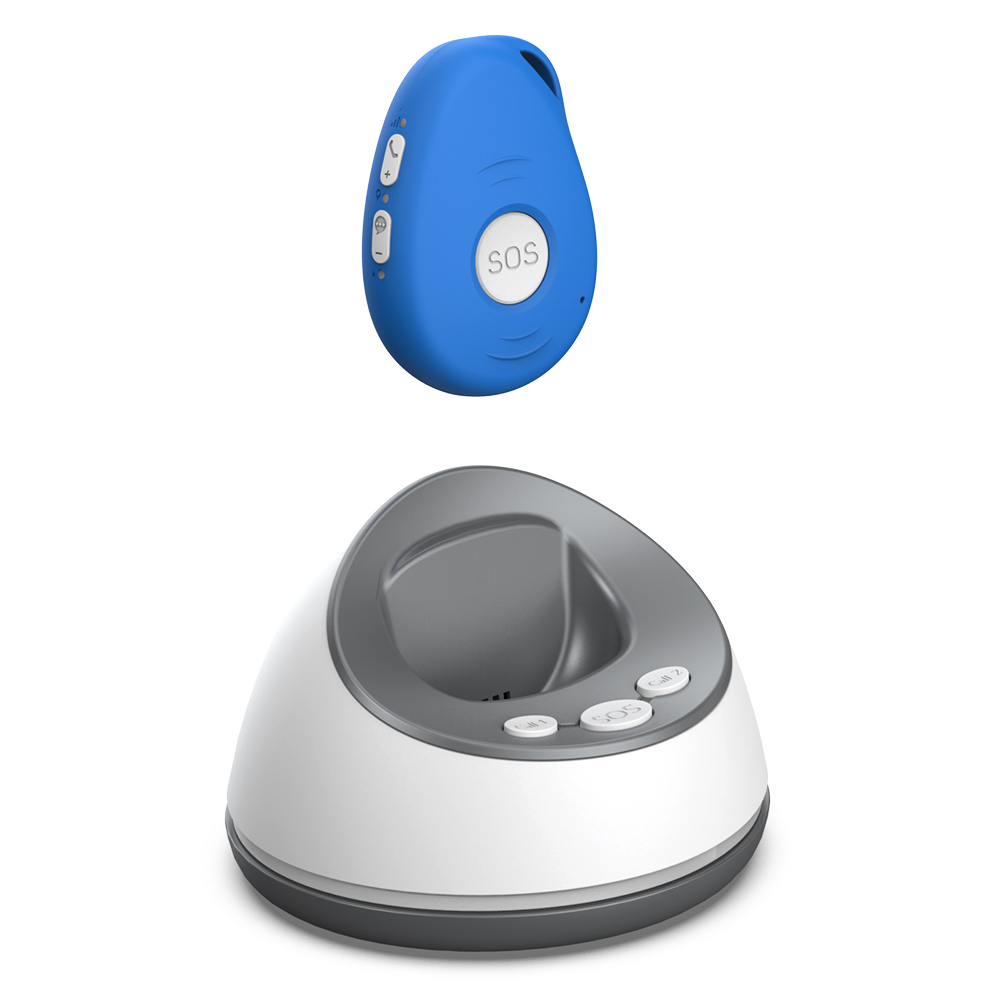
Not every senior needs the same kind of alarm. Some prefer a pendant alarm because it is easy to reach and can be worn around the neck. Others find a wrist alarm more comfortable, especially if they are used to wearing a watch. A waterproof alarm is essential for anyone who wants to wear it in the bath or shower, because that is exactly where many falls happen.
Here are a few practical considerations when selecting a medical alarm:
- Water resistance: Look for a device rated IP67 or higher so it can be worn in the shower or rain.
- Battery life: Choose a model with at least 24 hours of battery backup, and preferably more.
- Range: If the senior lives in a large house, check the range of the base unit or whether the device uses a cellular network directly.
Another factor is how the alarm connects. A landline-free device that uses a cellular network is usually more flexible because it does not depend on the home phone line. This also makes it easier to move the device to a different home if the senior relocates.
Why No Monthly Fee Matters for Long-Term Peace of Mind
The phrase "medical alarm no monthly fee" is not just a marketing slogan. It represents a different philosophy about how emergency alert systems should be delivered. Instead of treating the alarm as a service that you rent, it treats it as a piece of equipment that you own. This distinction matters because it changes the relationship between the user and the provider.
When there is no monthly fee, the family does not have to worry about cancellation penalties or forgotten payments. The device stays active as long as the cellular network is available, and the only ongoing cost is the power to charge it. For seniors on a fixed income, this predictability is a huge relief. They can budget for the one-off purchase and then forget about it, knowing that the protection will not disappear because of a missed bill.
I have seen families keep a medical alarm in a drawer for months after the initial purchase because the senior did not want to wear it. With a no-monthly-fee model, there is no pressure to start using it immediately. The device is there when they are ready, and it costs nothing extra to keep it available. That flexibility can make the difference between a senior rejecting the idea and eventually accepting it.

Final Thoughts on Ageing in Place
Ageing in place is the goal for most seniors, and a good personal alarm is one of the tools that makes it possible. When the alarm offers GPS tracking, fall detection, and two-way calling, and when it comes with a medical alarm no monthly fee structure, it becomes a practical investment in independence. The family gets caregiver relief, the senior gets 24/7 protection, and everyone gets peace of mind.
For New Zealand families considering this option, the key is to look at the total cost of ownership over several years. A device with a higher upfront price but no monthly fee can work out cheaper than a cheaper device with a low monthly subscription that lasts forever. The choice depends on the senior's lifestyle, but the trend toward no-monthly-fee models is a positive one for consumers who value simplicity and honesty in pricing.